Ancient Art of Asia

Ancient Oriental Art Gallery in Milano. From Gandhara to India and Southeast Asia
Ancient Oriental Art, stretching from the historic region of Gandhara across the vast landscapes of India, from the Himalayan ranges to Southeast Asia, is deeply interwoven with our shared cultural heritage. This artistic tradition represents a continuum of ideas, beliefs, and visual expressions shaped through centuries of cultural exchange.
It emerged at a remarkable crossroads, where Greco-Roman art encountered the spiritual visions and symbolic languages of Central Asia and the Indian subcontinent. The result was not merely a fusion of styles, but a transformation that gave rise to new artistic forms capable of expressing complex religious and philosophical concepts.
Spiritual Symbolism in Hindu-Buddhist Art
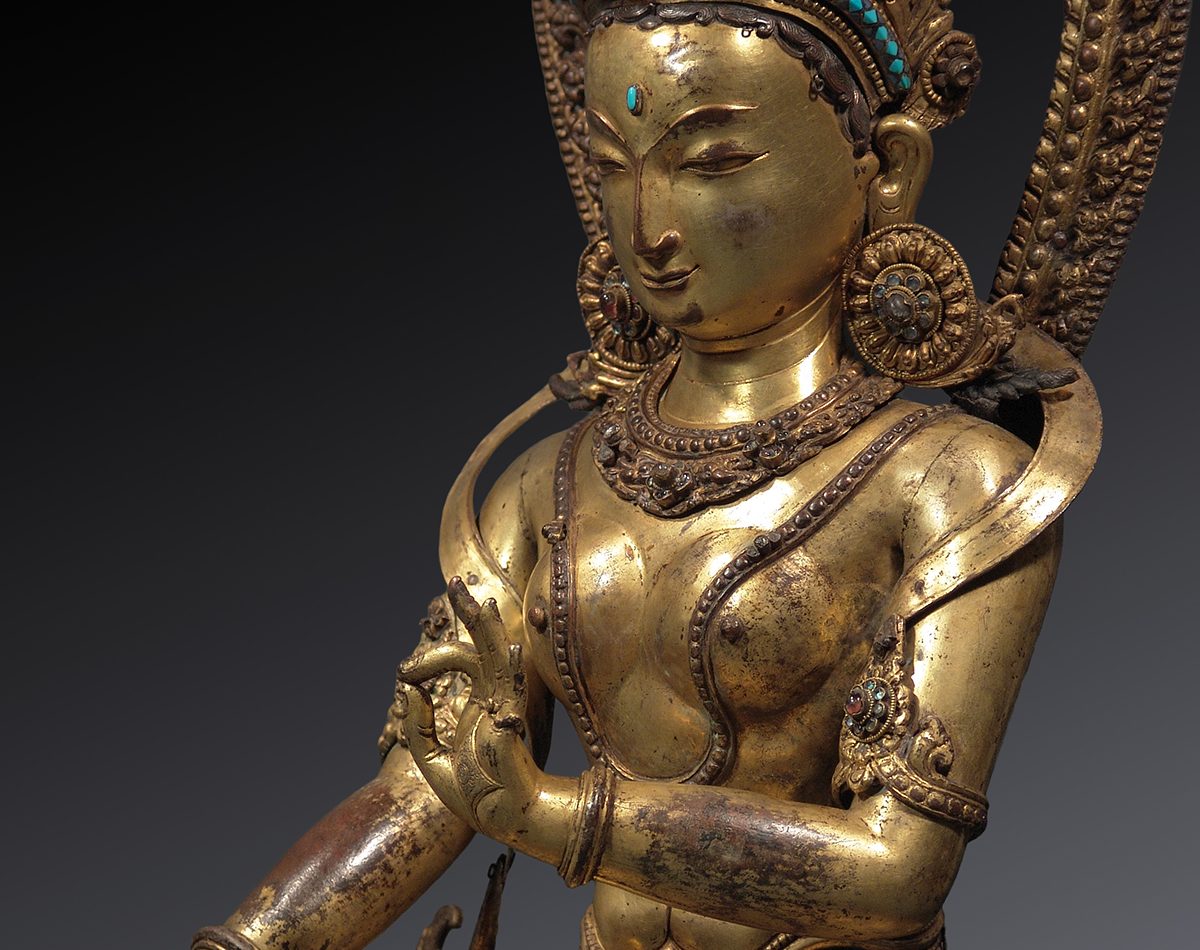
Sculptures, reliefs, and devotional objects within Hindu-Buddhist art reveal an extraordinary sensitivity to both the physical and the transcendent. The human figure, often central in Indian and Southeast Asian art, is rendered not only as a corporeal presence but as a vehicle for spiritual meaning. Ideals such as serenity, compassion, and enlightenment are conveyed through refined iconographic systems, where gesture, posture, and ornament carry layered symbolic significance.
At the same time, regional variations developed across India, the Himalayas, and Southeast Asia, reflecting local materials, artistic techniques, and cultural identities, while maintaining a shared visual language.
The Enduring Legacy of Ancient Oriental Art
In today’s increasingly interconnected world, renewed cultural exchange provides an ideal context for Ancient Oriental Art to reveal the enduring allure of its antiquity and its timeless aesthetic significance. Collectors, scholars, and audiences are now better positioned to appreciate both its historical importance and its continuing relevance.
These works invite us to engage with a worldview in which art functions as a bridge between the material and the spiritual, the individual and the universal. By revisiting and recontextualizing Ancient Oriental Art, we gain insight into a legacy that transcends geographical and temporal boundaries.
Its forms and symbols continue to inspire, confirming the role of art as a powerful medium for dialogue across cultures, capable of preserving memory while shaping new ways of understanding the world.
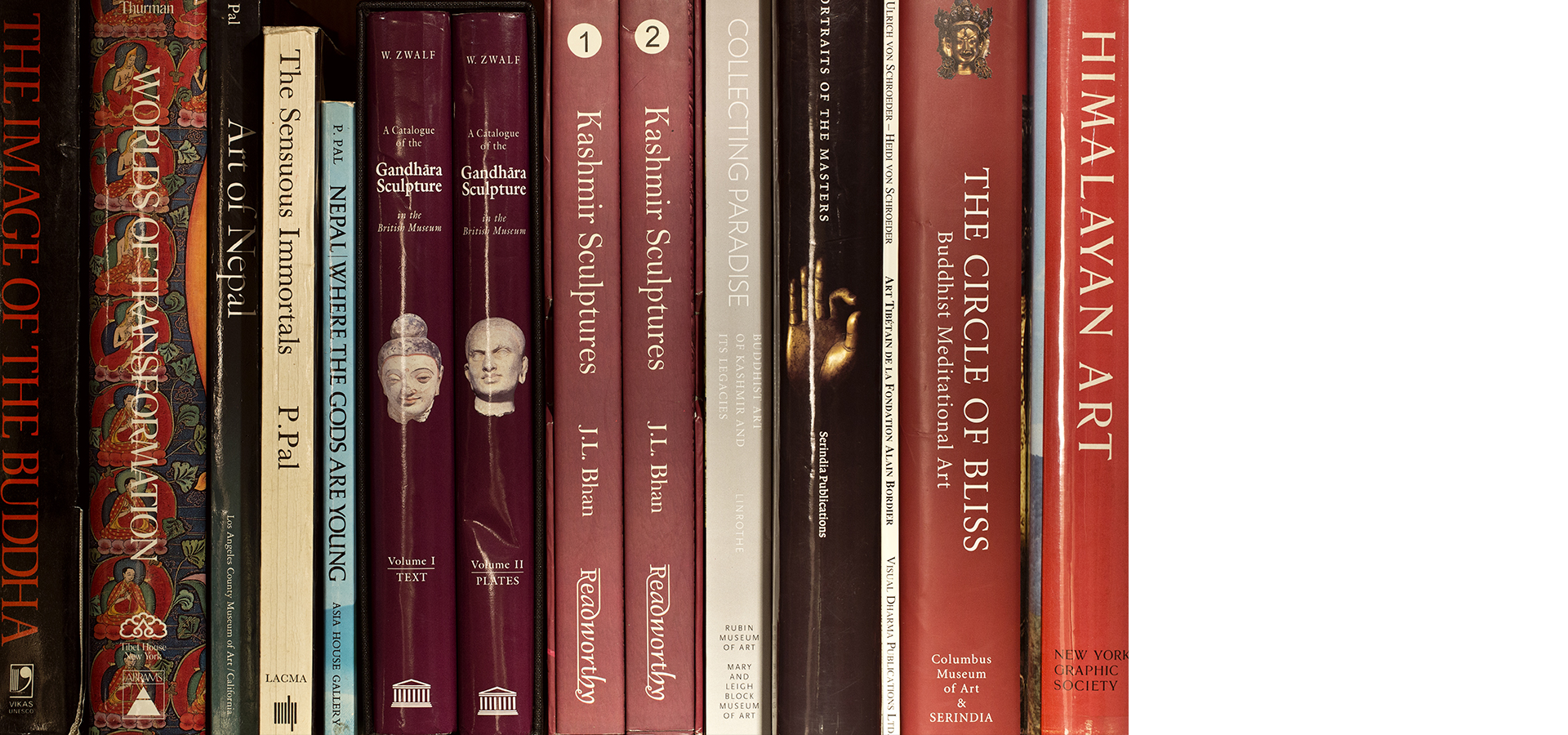
The Gallery’s research is also documented through a series of Publications, while in-depth studies of individual sculptures can be found in our Archive selections and Monthly Highlights.

